Barceloneta Beach
Barceloneta beach is the most well known and visited beach in Barcelona
Barceloneta Beach
Contents
- History of Barceloneta Beach
- Best Time to Visit Barceloneta Beach
- Water Quality & Beach Flags
- What to Do at Barceloneta Beach
- Swimming & Sunbathing
- Beach Volleyball
- Running & Cycling the Passeig Marítim
- Watersports
- Table Tennis
- Children's Playgrounds
- Where to Eat & Drink Near Barceloneta Beach
- Chiringuitos (Beach Bars)
- Seafood Restaurants in Barceloneta
- Port Olímpic
- What to Know Before You Go
- Watch Your Belongings
- Beach Rules
- Facilities
- Crowds & Timing Tips
- How to Get There

Named the Nº 1 urban beach in the world by National Geographic, Barceloneta Beach is Barcelona's most famous stretch of sand, and it earns that reputation. It's 1.1 km long, free to use, and sits a 10-minute walk from the Gothic Quarter. In summer it's packed. In winter it's surprisingly peaceful. Both versions are worth experiencing.
Barceloneta beach takes its name from the Barceloneta neighborhood directly behind it — a tight grid of narrow streets, old fishermen's houses, and some of the best seafood in the city. Together, they're one of the most visited spots in Barcelona. Here's everything you need to know before you go.
Table of Contents
- History of Barceloneta Beach
- Best Time to Visit
- Water Quality & Beach Flags
- What to Do at Barceloneta Beach
- Where to Eat & Drink
- What to Know Before You Go
- How to Get There
History of Barceloneta Beach

Barceloneta beach didn't always look like this. Before the early 1990s, the entire Barcelona waterfront was largely industrial — freight rail lines, factories, and warehouses cut the city off from the sea. Locals could barely access their own coastline.
The 1992 Olympic Games changed everything. The city used the Games as a lever to demolish the industrial barrier and completely reimagine the waterfront. Barceloneta was one of the first beaches to undergo this transformation. The sand was expanded, the promenade was built, and the city was finally reconnected to the Mediterranean.
The result was the Passeig Marítim — a two-level promenade that runs the full length of the beach. The lower level has seasonal chiringuitos (beach bars), sunbed rental stands, and showers. The upper level sits at street height and is one of the best flat running and cycling routes in the city.
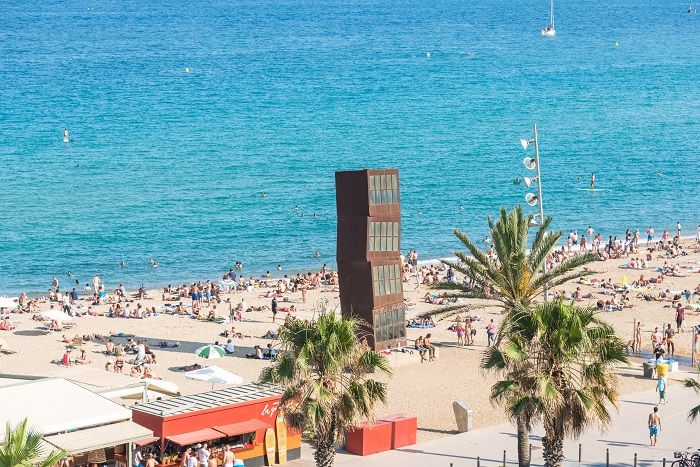
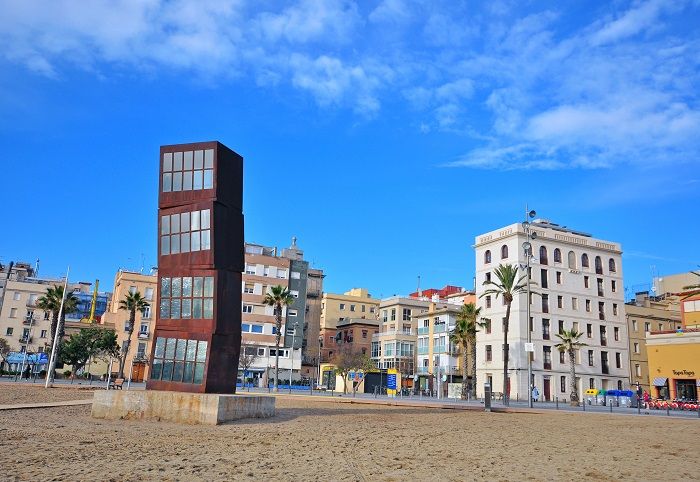
The beach also has a famous landmark: the L'Estel Ferit sculpture (also called the “Wounded Star”), a large golden cube by Rebecca Horn. It stands at the northern end and was put there as a protest against the demolition of old beach shacks during the Olympic regeneration. It's worth stopping for a photo — and the story behind it is more interesting than it looks.
Best Time to Visit Barceloneta Beach
Barceloneta is a year-round beach. What changes is the crowd level and what you actually do there.
June–August is peak season. The beach fills up fast — by 11am in summer, finding a patch of sand takes patience. Water temperatures reach 25–26°C. This is the liveliest time, with beach bars open late, volleyball tournaments, and a constant buzz. If you want sun and sea, this is the time. Come early (before 10am) or late afternoon (after 5pm) to avoid the worst of the crowds.
April, May, and September–October are the sweet spot. The water is still warm enough to swim (18–23°C), the crowds are thinner, and you can actually relax. Locals prefer these months. You'll see more people jogging the promenade and fewer selfie sticks.
November–March: the beach empties. The chiringuitos close, the sunbed rental stands disappear, and Barceloneta becomes a completely different place. On a clear winter day, with the sun reflecting off the sea and the city quiet behind you, it's one of Barcelona's genuinely beautiful spots. Sunrise here in winter is worth setting an alarm for.
Water Quality & Beach Flags
Barceloneta's water quality has improved significantly since the 1990s. The EU Blue Flag programme rates it regularly, and it generally passes. That said, after heavy rain, the water quality can drop temporarily due to runoff from the city's storm drains. It's worth checking before you swim if Barcelona has had a downpour in the 24–48 hours before your visit.
The beach uses a standard flag system you should know:
- Green flag — safe to swim, lifeguards on duty
- Yellow flag — caution advised, swim with care
- Red flag — do not enter the water
- No flag — no lifeguard on duty (outside peak season)
Lifeguards are stationed on the beach from late May to mid-September, typically from 10am to 7pm. Outside of those hours and months, you swim at your own risk.
What to Do at Barceloneta Beach

Barceloneta is the kind of beach where you can genuinely fill a full day — or just pass two hours. Here's what's actually on offer:
Swimming & Sunbathing
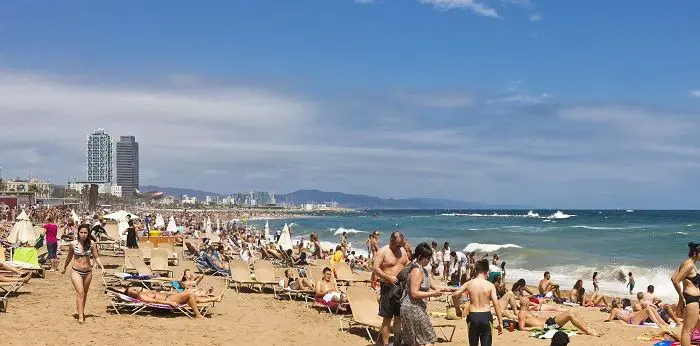
The obvious one. The beach slopes gently into the sea, making it safe for families with young children. The seabed is sandy and clean in calm conditions. There's no shade on the sand itself — bring a parasol or rent one (expect to pay around €6–10 per day; verify prices before visiting).
Beach Volleyball
Barceloneta is one of the best places in Barcelona to play beach volleyball. There are permanent volleyball nets set up on the sand, free to use on a first-come basis. On weekends in summer, informal games are almost constant. If you want to join, just show up — most games are open.
Running & Cycling the Passeig Marítim
The upper promenade is one of the best flat running routes in Barcelona. It connects to the broader coastal path that runs north all the way past Port Olímpic to the Mar Bella and Bogatell beaches. You can run or cycle for several kilometres without a single traffic light. Early morning on the promenade — before the tourists arrive — is one of the most pleasant experiences in the city.
Watersports
Several operators work seasonally near the beach offering kayak rental, paddleboarding (SUP), and sailing lessons. Prices and availability vary by season — verify current offers on-site. The calm conditions close to shore make Barceloneta a good spot for beginners. More experienced water sports enthusiasts tend to head further north to Bogatell or Mar Bella.
If you want to see the coastline from the water, the catamaran sunset tours that depart from nearby Port Olímpic are popular — a relaxed way to get a different perspective on the city.
Table Tennis
There are free ping-pong tables on the promenade, available throughout the year. Bring your own bats, or ask at the beach service points during the peak season.
Children's Playgrounds
There are dedicated play areas for children along the beach, with climbing frames and sandplay zones. These stay open year-round and are free to use.
Where to Eat & Drink Near Barceloneta Beach
The area around Barceloneta beach has everything from €2 cans from a beach vendor to proper sit-down seafood restaurants. Here's an honest breakdown of your options:
Chiringuitos (Beach Bars)
From late spring to early autumn, several chiringuitos operate on the sand itself. These are open-air beach bars serving cold drinks, sandwiches, and simple food. Prices are tourist-level — expect to pay €4–7 for a beer or soft drink — but the setting (feet in the sand, sea view) is hard to argue with. Don't come here for a gastronomic experience. Come for the vibe.
Seafood Restaurants in Barceloneta
The real food in this area is just a 5-minute walk back into the Barceloneta neighborhood. The narrow streets behind the beach are full of seafood restaurants. The classics here are paella, fideuà (noodle paella), and gambas al ajillo (garlic prawns).
Be selective: some restaurants on the most obvious tourist streets offer mediocre food at inflated prices. Walk one or two blocks deeper into the neighbourhood for better quality and fairer pricing. Look for places where the menu del día (set lunch) is written on a blackboard, not a laminated menu with photos — it's a reliable quality signal.
Port Olímpic
Just north of Barceloneta, Port Olímpic has a large cluster of restaurants and bars along the marina. It gets loud and commercial at night, but for a sit-down lunch with a view over the yachts, it works well. Prices are on the higher side.
What to Know Before You Go
A few things that will save you hassle:
Watch Your Belongings
Barceloneta is one of the most pickpocket-prone areas in Barcelona. This is a fact, not a scare tactic. Do not leave bags, phones, or cameras unattended on the sand — not even for a few minutes while you swim. Use the baggage lockers available on the beach (small fee applies) or bring only what you're willing to lose. Most thefts are opportunistic and entirely avoidable.
Beach Rules
Barcelona has enforced beach regulations in recent years. Key rules to know:
- No dogs on the main beach (there are designated dog beaches nearby)
- No glass containers on the sand
- No alcohol consumption outside designated chiringuito zones
- No camping or overnight stays on the beach
- Topless sunbathing is legal and common; nudity is not permitted (for nude bathing, head to Mar Bella beach further north)
Fines are issued — Barcelona's local police (Guàrdia Urbana) do patrol the beach, especially in summer.
Facilities
Barceloneta is well-equipped compared to most urban beaches:
- Showers and foot-wash stations along the beach (free)
- Changing rooms and toilets (small fee may apply)
- Facilities adapted for disabled visitors
- Sunbed and umbrella rental (verify current prices on-site)
- Baggage lockers
- Free WiFi along the promenade
- First aid / Red Cross point
Crowds & Timing Tips
In July and August, Barceloneta beach can hold well over 30,000 people on a peak day. If that's not your scene, here are three practical options: go before 10am, go after 5pm, or walk 15 minutes north to Bogatell or Mar Bella — both are calmer, cleaner, and more local-feeling, with equally good facilities.
How to Get There
Barceloneta beach is very well connected from anywhere in the city center.
- Metro: Line 4 (Yellow), Barceloneta station. Walk south for about 10 minutes to reach the sand.
- Bus: Lines #17, #36, #39, #45, #59, #64, #D20
- On foot: From the Gothic Quarter, it's a 15–20 minute walk down Via Laietana and through Barceloneta. From La Barceloneta metro, follow Passeig de Joan de Borbó toward the sea.
- By bike: The Bicing city bike share network has stations near the beach. The flat promenade makes cycling a genuinely good option.
Driving is not recommended. Parking near the beach is extremely limited and expensive in summer. Use public transport.
More beaches in Barcelona
Don't miss these fantastic beaches in Barcelona, as well as amazing maritime activities
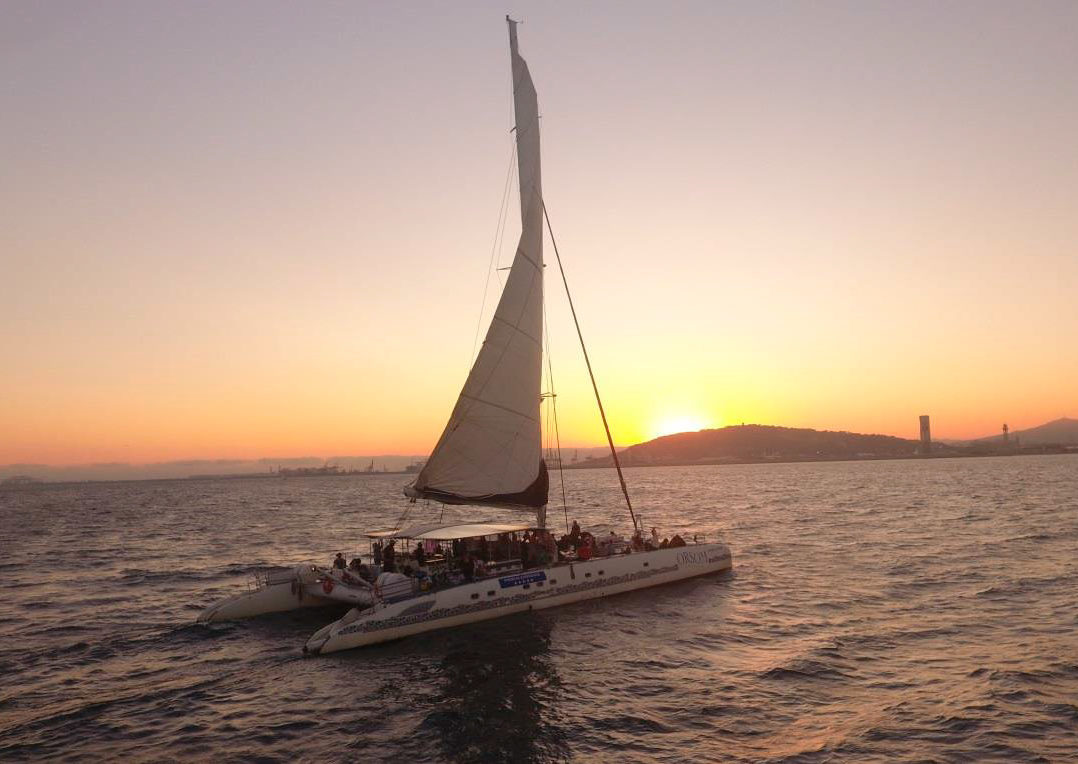
Catamaran jazz tour at sunset
Experience the Barcelona coastline aboard a catamaran cruise with live jazz music at sunset.
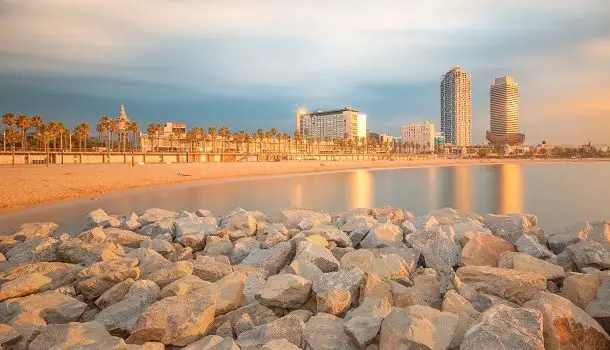
Sant Sebastià & Sant Miquel beaches
These are the closest beaches to the famous W Hotel. They are among the first beaches in Barcelona.
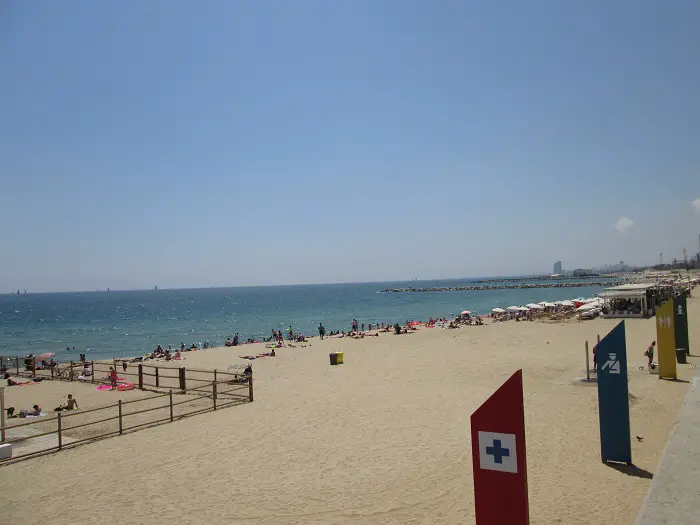
Mar Bella
Mar Bella beach is very popular among gay crowds. Is one of the few beaches in Barcelona where nudity is allowed.
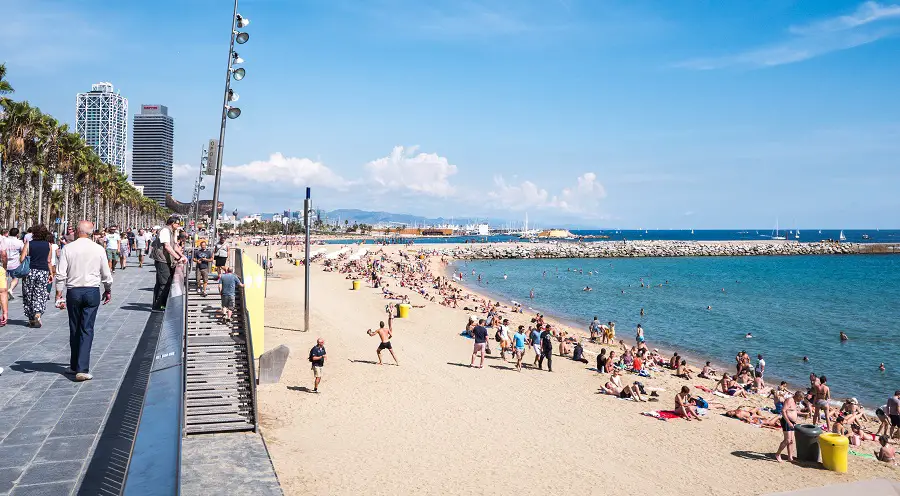
Somorrostro
Somorrostro is one of the best located beaches in Barcelona within public transportation.
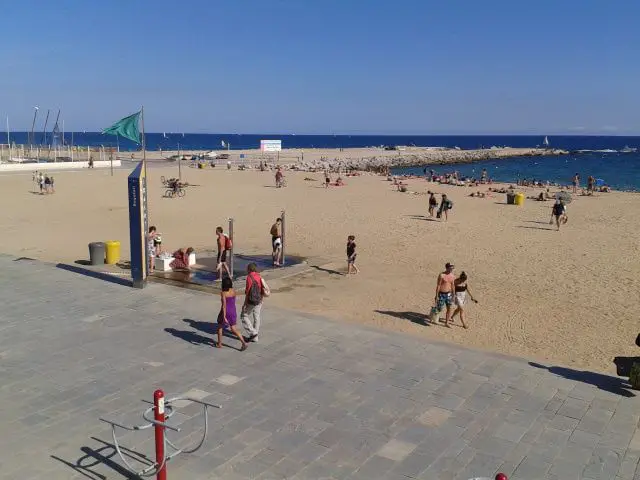
Bogatell beach
Bogatell Beach was part of the urban planning that made the waterfront accesible for all the Barcelona residents.
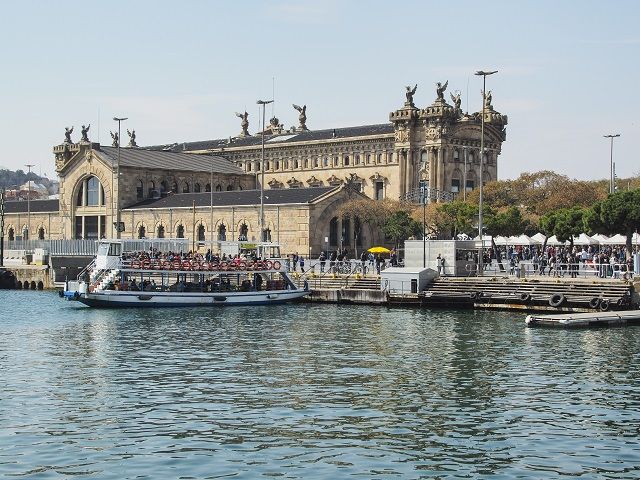
Las Golondrinas boat tour
Las Golondrinas is one of the most traditional excursions in Barcelona. The motor launched boat that makes a ride across the Barcelona harbour.