Gaudí Experience
A museum, a 4D movie theater and an interactive learning experience dedicated to Gaudí
Gaudí Experiencia
Contents
- Table of Contents
- Key Takeaways
- What is Gaudí Experiencia? The short version for people in a hurry
- The 4D Movie Experience: What Actually Happens
- Interactive Exhibits: What You'll Actually See
- Who Was Antoni Gaudí? The context that makes everything else make sense
- Gaudí's Buildings in Barcelona: The full picture
- Is Gaudí Experiencia Worth It? An honest take
- Practical Tips: What to know before you visit
- Opening Hours & Tickets 2026
- How to Get There
- What to Combine Gaudí Experiencia With

Gaudí Experiencia is the most recent addition to Barcelona's attractions. But what is it exactly? Basically, it's a mix between a museum, a 4D movie theater, and an interactive learning experience — all dedicated to one man: Antoni Gaudí.
It's the first interactive space in Barcelona that gathers everything about Gaudí under one roof. If you've spent time at Park Güell and find yourself wanting to understand why the place looks the way it does, this is where you go next.
Table of Contents
- What is Gaudí Experiencia?
- The 4D Movie Experience
- Interactive Exhibits: What You'll See
- Who Was Antoni Gaudí?
- Gaudí's Buildings in Barcelona
- Is Gaudí Experiencia Worth It?
- Practical Tips: Before You Go
- Opening Hours & Tickets
- How to Get There
- What to Combine It With
Key Takeaways
- Located steps from Park Güell — easy to combine both in one morning
- The 4D film is around 10 minutes and runs in multiple languages
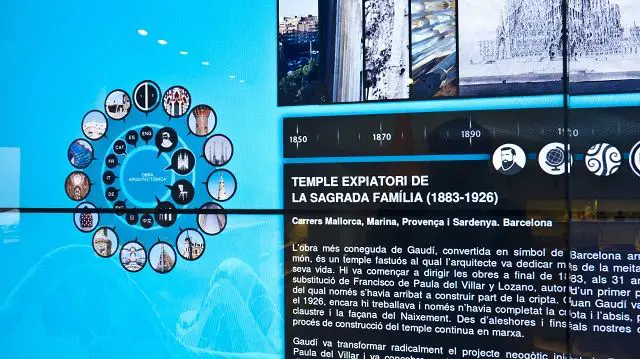
- Interactive touchscreens cover all major Gaudí works, including unbuilt projects
- Good option for kids and first-time visitors who want context before touring the buildings
- Admission is included in the Barcelona Pass — worth checking if you plan multiple attractions
What is Gaudí Experiencia? The short version for people in a hurry
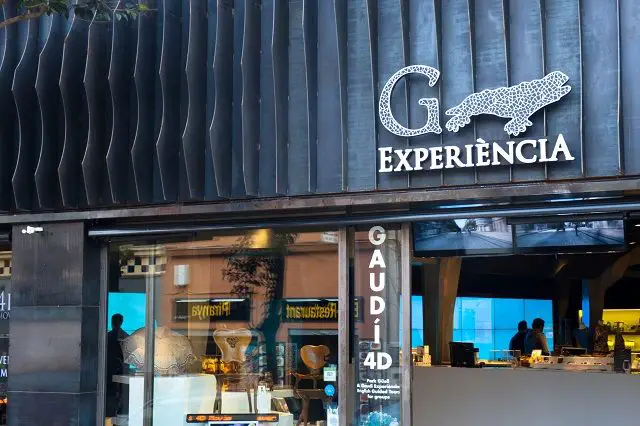
Opened in 2012, Gaudí Experiencia sits on Carrer de Larrard, about a 5-minute walk from the main entrance to Park Güell. It was built to answer a question that millions of tourists ask every year: who exactly was this man, and how did he think?
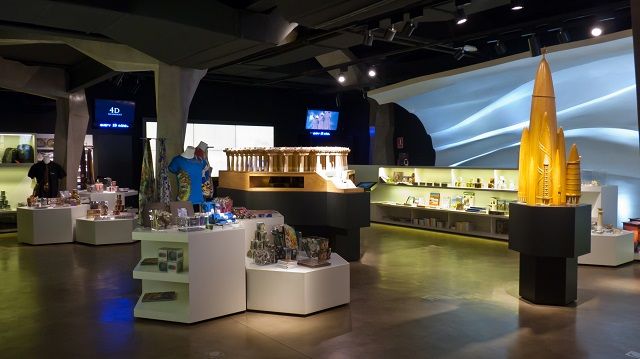
The attraction runs across two floors. The ground floor is the interactive exhibition space, full of touchscreens, 3D models, and architectural replicas. The upper floor is home to the 4D cinema, where you watch a short film about Gaudí's life and inspiration.
It's a compact visit — plan for 60 to 90 minutes. That's enough time to do the film, spend some time with the exhibits, and leave before your feet give up on you. It's not a sprawling museum. It's a focused, well-designed introduction to one of architecture's strangest and most brilliant minds.

The 4D Movie Experience: What Actually Happens
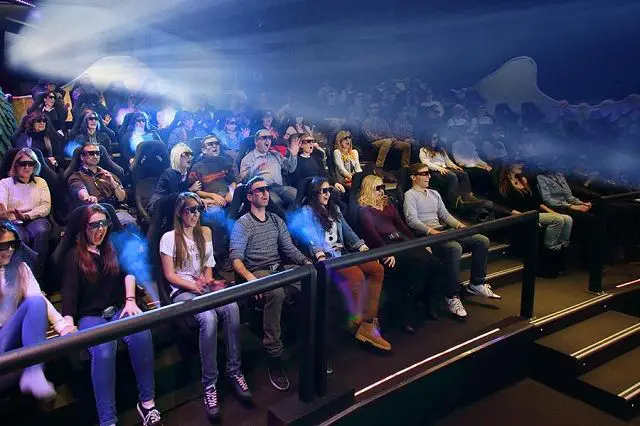
One of the highlights of Gaudí Experiencia is the 4D movie theater. The film runs roughly 10 minutes and is available in several languages, including English, Spanish, French, German, Catalan, and others — you choose at the door.
The “4D” part means the seats move slightly, mist or air is occasionally released, and the experience is designed to feel immersive rather than passive. Some people find this gimmicky. Most people enjoy it — especially with kids in tow.
The film itself takes you through Gaudí's creative process: where his ideas came from, what problems he was solving, and how nature — not geometry textbooks — was his primary reference. You'll see the inside of buildings that are usually impossible to experience fully, including angles and construction details that no tourist photo captures.
The greatest challenge the filmmakers faced was translating something abstract and architectural into a purely visual and musical experience — no narration, no subtitles during the visual sequences. The result is unusual. Whether you find it moving or just interesting, you'll walk out knowing something you didn't know before.

Interactive Exhibits: What You'll Actually See
The exhibition floor is where most visitors spend the bulk of their time. It's built around large touchscreen displays — you navigate Gaudí's life, buildings, and influences at your own pace, in your own language.
Here's what stands out:
- 3D architectural models of his major buildings, scaled and detailed enough to understand proportions that photos never show clearly
- Gaudí's unbuilt projects — including a proposed skyscraper for Manhattan and early conceptual drawings that were never realised
- Structural explanations of how his buildings stay up — the catenary arches, hanging chain models, and parabolic vaults that made his work structurally revolutionary
- Park Güell's engineering — the drainage systems beneath the coloured terrace are genuinely clever, and this is one of the few places where someone explains them clearly
- Nature as architecture — displays connecting biological forms (bones, leaves, shells) to the shapes you see in his buildings
There's also a section covering Gaudí's personal life — his religious convictions, his relationship with patron Eusebi Güell, and the ascetic habits that defined his later years. It's handled without hagiography, which is rare for a museum dedicated to someone.

Who Was Antoni Gaudí? The context that makes everything else make sense
Antoni Gaudí i Cornet was born in 1852 in Reus, a town about 100km south of Barcelona. He studied architecture in Barcelona and spent almost his entire career in the city — designing buildings, parks, and interiors that broke with every convention of the time.
His early work was influenced by the Moorish and Gothic traditions he studied in Catalonia. As he developed, he moved further away from historical precedent and deeper into biomimicry — the practice of designing structures that echo natural forms. He didn't see this as an aesthetic choice. He believed nature's forms were structurally optimal, and he designed accordingly.
He was also devoutly Catholic. His later projects — particularly the Sagrada Família — were conceived as acts of faith as much as acts of architecture. He spent the last 16 years of his life living inside the building site, giving up all other commissions.
In 1926, he was struck by a tram on the Gran Via. Because of his threadbare clothes and lack of identification, onlookers assumed he was a beggar. He died in hospital three days later. He was 73. Barcelona gave him a state funeral.
The Vatican opened his beatification cause in 2000. As of 2026, the process is ongoing.
Gaudí's Buildings in Barcelona: The full picture
Understanding the Experiencia is easier if you know which buildings are actually Gaudí's. There are seven main works in Barcelona, six of which are UNESCO World Heritage Sites.
- Sagrada Família — his life's work, still under construction. The central tower of Jesus Christ reached its final planned height in February 2026. Plan your visit here.
- Park Güell — a public park originally designed as a private residential estate. The decorative zone requires a ticket. Full guide to Park Güell.
- Casa Batlló — on the Passeig de Gràcia, redesigned by Gaudí between 1904 and 1906. The roofline is designed to look like the scales of a dragon. See tickets and visiting info.
- La Pedrera (Casa Milà) — the last civil building Gaudí completed before devoting himself entirely to the Sagrada Família. The rooftop warrior chimneys are unmistakable. La Pedrera visitor guide.
- Palau Güell — his early masterwork, commissioned by Eusebi Güell in the 1880s. Located in the Raval neighbourhood.
- Casa Vicens — Gaudí's first major building, finished in 1888. It's in the Gràcia neighbourhood, a 10-minute walk from Park Güell.
- Cripta de la Colònia Güell — an unfinished church outside Barcelona in Santa Coloma de Cervelló. The crypt is the only part built.
The Gaudí Experiencia covers all seven in the exhibition, which makes it a useful orientation before you start ticking them off your list.
Is Gaudí Experiencia Worth It? An honest take
It depends on what you're expecting.
It's worth it if: you're visiting Park Güell and want to understand what you're looking at. It's right next door and adds genuine context. It's also a smart stop for families — the 4D film engages kids who might find architectural history hard to absorb any other way.
It might not be worth it if: you're already well-versed in Gaudí's work and looking for scholarly depth. The exhibition is designed for general audiences, not architecture students. The touchscreen format also means it can feel crowded when tour groups arrive simultaneously.
The honest verdict: most visitors are glad they went. The 4D film is short enough that even sceptics don't suffer through it, and the 3D models of unbuilt projects are genuinely fascinating — you won't see those anywhere else in the city.
Practical Tips: What to know before you visit
- Book ahead — the 4D cinema has set showtimes, and sessions do sell out in peak season (June to September). Walk-ins are possible but not guaranteed.
- Arrive early — the building opens at 10:30. Showing up at opening means smaller groups and a quieter exhibition floor.
- Language options — the 4D film runs in multiple languages throughout the day. Check the schedule at the ticket desk.
- Combine with Park Güell — they're a 5-minute walk apart. Do Gaudí Experiencia first (it gives context), then head into the park. There are also ways to visit Park Güell for free.
- Accessibility — the building has lift access. The 4D cinema seats are fixed, so check with staff if you have specific mobility requirements.
- Photography — generally permitted in the exhibition area. Check current rules at the entrance regarding the cinema.
- Good for kids — the interactive format works well for children aged 6 and up. Younger children can find the 4D effects startling (moving seats, air jets).
Opening Hours & Tickets 2026
Winter (1 October – 31 March): 10:30–17:00
Summer (1 April – 30 September): 10:30–19:00
Address: Carrer de Larrard 41, 08024 Barcelona
Prices change periodically — verify the current adult and child ticket prices before visiting. Booking online in advance is recommended during peak months.
How to Get There
Metro: Line L3 (green), Lesseps station. From there it's a 15-minute uphill walk — follow the signs for Park Güell and you'll pass Gaudí Experiencia on your way up.
Bus: Lines 24, 32, or H6 — a 4-minute walk from the nearest stop.
On foot from Gràcia: If you're staying in the Gràcia neighbourhood, it's a pleasant 20-minute walk uphill through residential streets.
There's no parking immediately adjacent to the building. If you're driving, park near Lesseps and walk up — trying to drive up the hill around Park Güell is not recommended.
What to Combine Gaudí Experiencia With
The obvious combination is Park Güell — they're next to each other and the Experiencia adds real value to the park visit. Beyond that:
- Park Güell: Full guide to visiting the park — or if budget is tight, how to visit Park Güell without paying.
- Casa Batlló: The Passeig de Gràcia landmark is 30 minutes by metro — a natural second stop after the Experiencia puts it in context. Casa Batlló tickets and visiting info.
- La Pedrera: Also on Passeig de Gràcia, five minutes on foot from Casa Batlló. La Pedrera guide.
- Sagrada Família: A metro ride away — the building you'll understand far better after watching the film. Everything you need to plan your visit.
- Gràcia neighbourhood: On your way back down the hill, spend an hour wandering the squares and independent shops of one of Barcelona's most local-feeling barrios. Guide to Gràcia.
If you're travelling with children and want a fuller day out, pair Gaudí Experiencia with Park Güell in the morning, then head back into the city for the afternoon. Our Barcelona with kids guide has more ideas for keeping the whole family moving.
Check other Gaudí monuments
Don't miss a visit to the impressive Gaudí monuments located in Barcelona
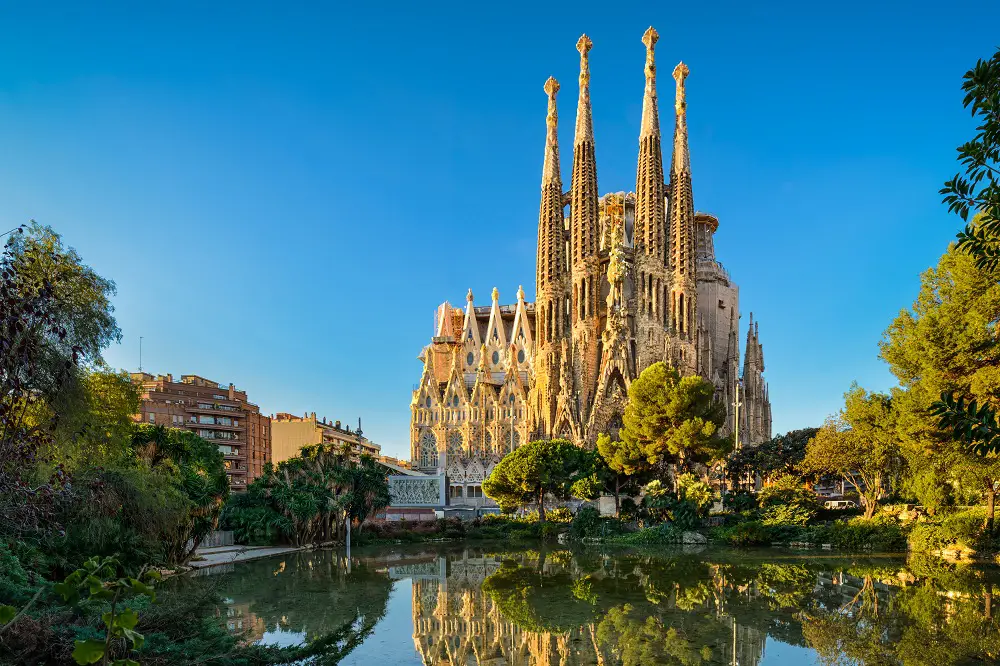
Sagrada Familia
It’s one of Gaudí’s greatest works and the symbol of Barcelona. It was the second most visited monument in Spain in 2019.
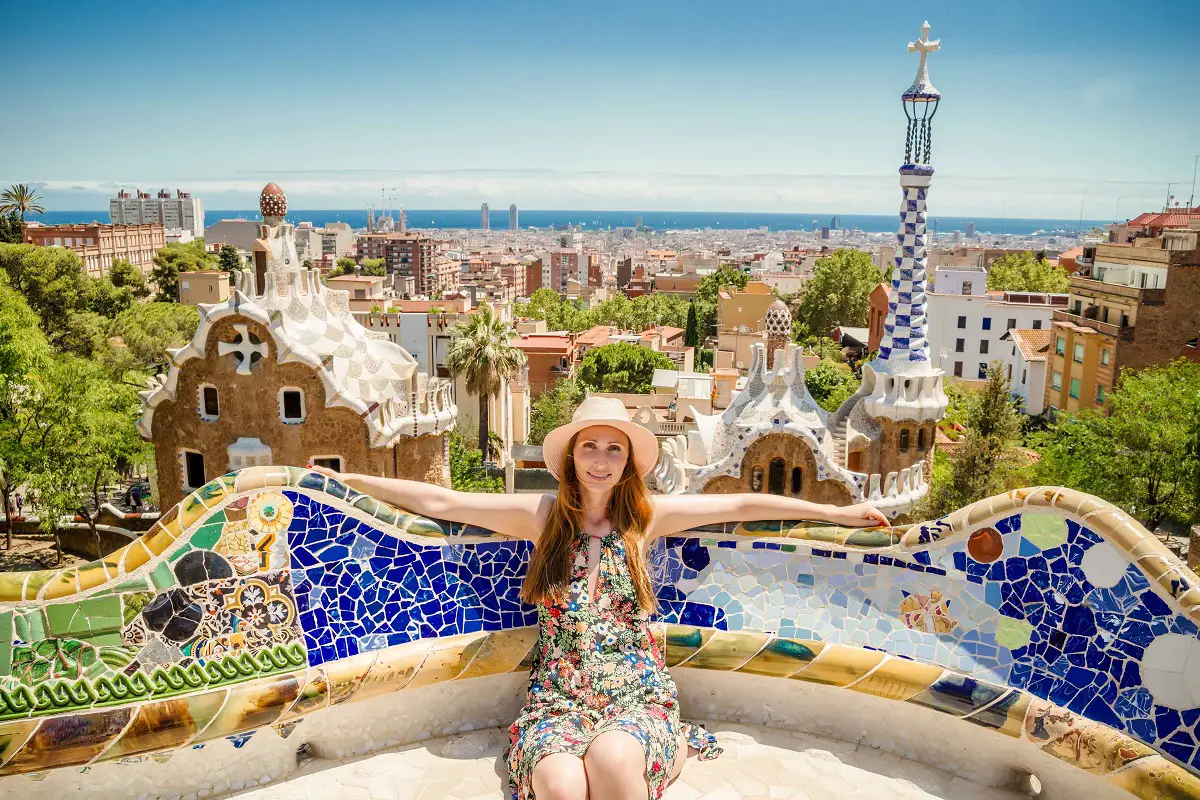
Park Güell
Out of all the projects that Antoni Gaudí built in Barcelona, Park Güell stands out as one of those special and unique places in the city.
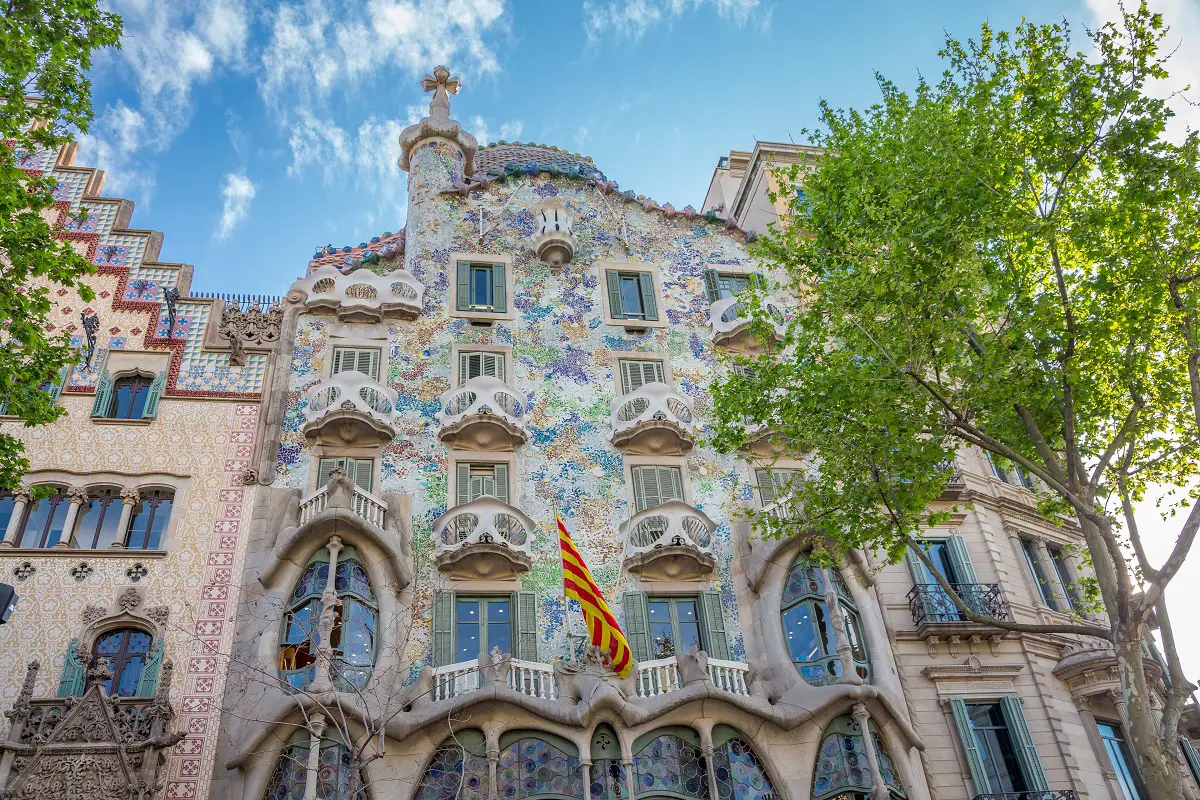
Casa Batlló
Casa Batlló is one of Barcelona’s biggest landmarks and one of the most creative designs made by Gaudi.
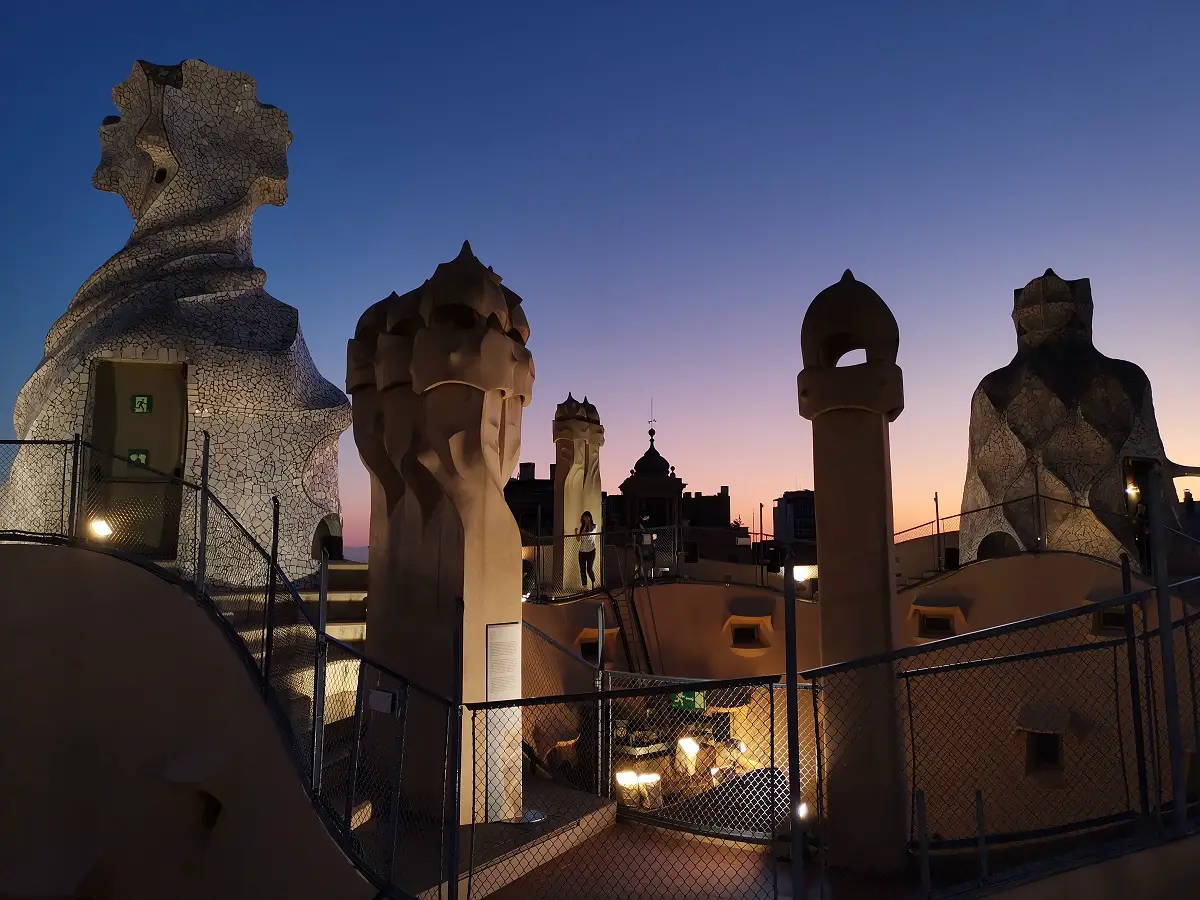
La Pedrera
La Pedrera, or Casa Milà, is one of the most famous icons of Barcelona. Designed by Gaudí, is one of the first driving forces of the modernista style.