
Montjuic Mountain
Montjuic features plenty of attractions, green areas and some of the best views of the city. A must see visit in Barcelona!
Montjuic
Contents
- Ride the Montjuic Cable Car
- How to get to Montjuic
- 1. Montjuic Cable Car (the fun one!)
- 2. Barcelona's Port Cable Car
- 3. Montjuic Funicular
- Things to do in Montjuic
- Montjuic Castle
- Joan Miró Foundation
- Barcelona Museum Pass - Articket
- Barcelona Botanical Garden
- Grec Theather Gardens
- Barcelona's “Jewish Mountain”
- Accommodation near Montjuic
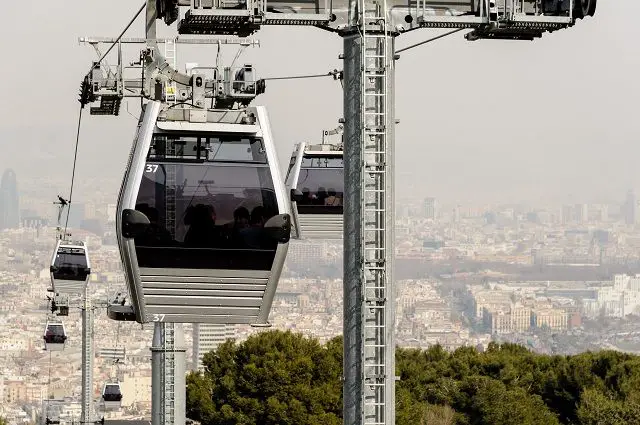
Montjuic is a prominent hill overlooking the Barcelona harbour. For ages, it played a strategic part in the defense of the city and it's one of the city's natural elevations. Nowadays, the area is a touristic magnet and one of the top places to visit in Barcelona.
There are so many things to do in Montjuic you just can't miss on your trip to Barcelona!
Ride in the Montjuic Cable Car to get to Montjuic Castle and witness the best views of Barcelona or visit the Olympic Park featuring the main facilities of the 1992 Olympic Games.
How to get to Montjuic
There are three ways to get to Montjuic Mountain.
1. Montjuic Cable Car (the fun one!)
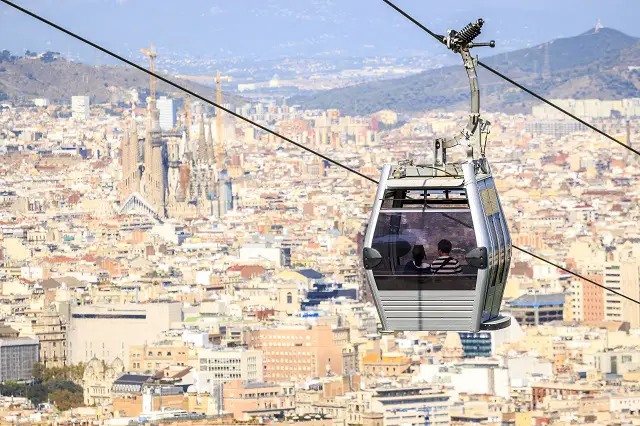
This cable car ride takes you directly to the Montjuic castle, one of the main locations at the mountain. It's located at the very top, featuring amazing views of Barcelona (some of the best in the whole city actually).
- Click here for tickets.
In order to get to the cable car station you can:
- Take the funicular at Parallel metro station (included in the metro ticket). Once you exit the funicular, you'll find the cable car station right next to it.
- Take bus #55. You can take it next to Plaça Catalunya and Plaça Universitat.
2. Barcelona's Port Cable Car
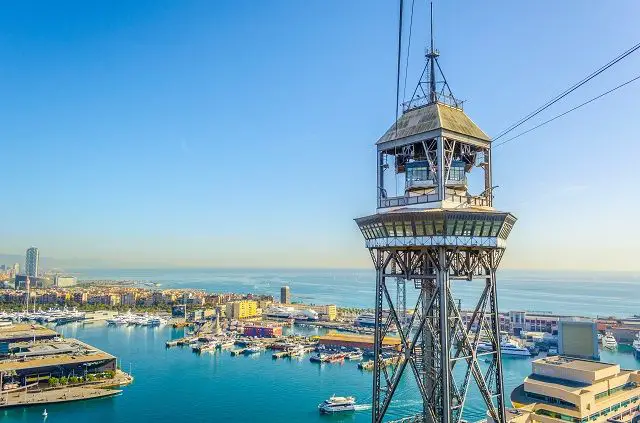
Built in 1931, this cable car system is located in Barceloneta. The journey offers incredible views of the seaport and Barceloneta and La Rambla from 70 meters high.
It's the fastest way of getting to the beach to Montjuic and viceversa.
3. Montjuic Funicular
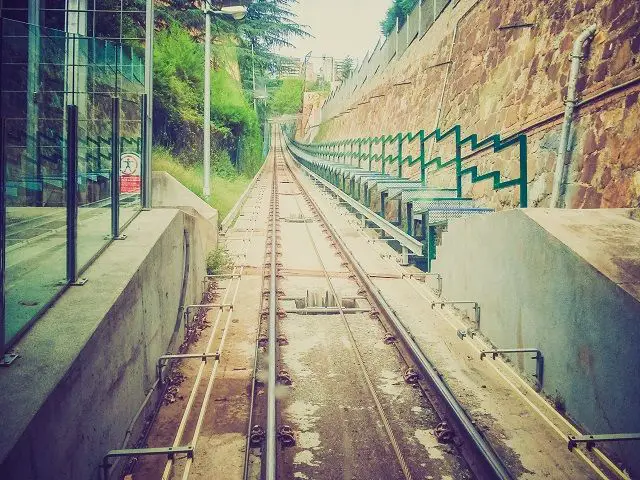
This funicular railway connects Montjuic with the Metro transportation system at Paral·lel Station, Lines 2 and 3. It's the fastest an easiest way to get to Montjuic when you're travelling by Metro.
At the time of the Montjuic's Funicular opening in 1928, it was the fastest cable railway in the world. It moved around 6,000 people in just one hour!
The ride takes less than 5 minutes from Paral·lel Station (L2 and L3) and is already included on your regular metro ticket.
You can ultimately choose to walk from the nearby Plaza España square. It's a nice and relaxed walk of no more than 25 minutes. (There are escalators along the way).
Things to do in Montjuic
No other structure in the city, is, or will be taller than Montjuic. In fact, when finished, the Sagrada Familia church will have a total height of 172,5 meters. Gaudí used to say that no man-made construction should be taller than God's creation.
Montjuic Castle
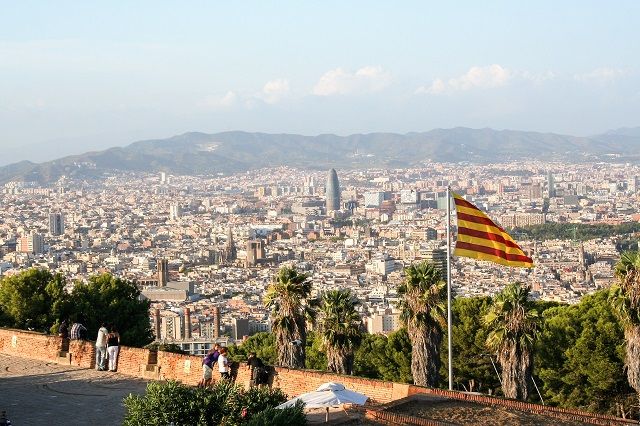
We recommend starting your journey right at the summit, where the Montjuic Castle is located. This is the highest point in all of Barcelona, standing at 173 meters above sea level.
This former fortress offers breathtaking views of the Barcelona harbour and city.
You can take a 360º tour and enjoy some of the continuous exhibitions showed about the Castle's history. There is a snack bar service as well as restrooms.
- General admission / ticket price: 5€. Entrance is free every sunday after 15:00 hs and the first sunday of each month (for the whole day). Closing time is 18:00 hs. You can get more information and tickets here.
Joan Miró Foundation

This Barcelona museum is dedicated to the world famous Catalan artist Joan Miró, featuring works from every stage of his career.
- Get the digital skip-the-line tickets to Fundació Joan Mirò
Barcelona Botanical Garden
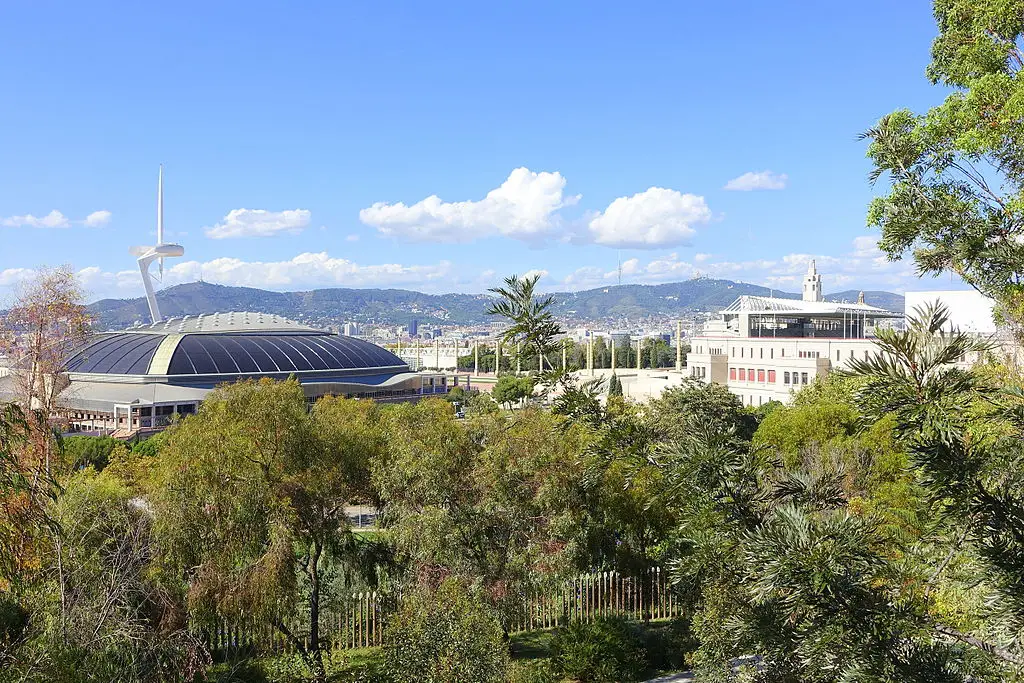
Located in the area between the Olympic Stadium and the Montjuic Castle, the Botanical Garden of Barcelona is along with Park Güell and Ciutadella Park, one of the main parks in Barcelona. It features abundant plant varieties and flora from Mediterranean climates.
Grec Theather Gardens

Last, but not least, you'll find the Grec Theater Gardens were built for the 1929 International Exposition, and features a famous amphitheater that hosts performances at the Barcelona Grec Festival.
Barcelona's “Jewish Mountain”
Many of these attractions were constructed in order to celebrate the 1929 International Exhibition, that turned Plaza España into one of Barcelona's most important transport hubs.
However it is believed that before it was turned into the big park of today, there was a jewish cemetery somewhere around the mountain, therefore earning the name of “jew mountain” in catalan.
Attractions near Montjuic
Things to do and see close to Montjuic
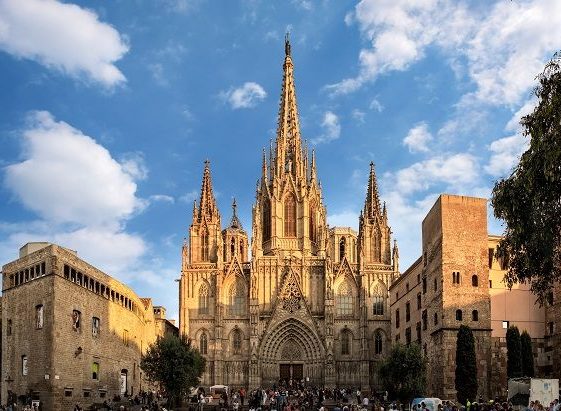
Free Tour in Barcelona
Start exploring Barcelona in a free tour. We’ll tour the historic center of Barcelona’s Old City to discover its mysteries. Free tours don’t have a fixed price – You pay what you want according to your satisfaction.
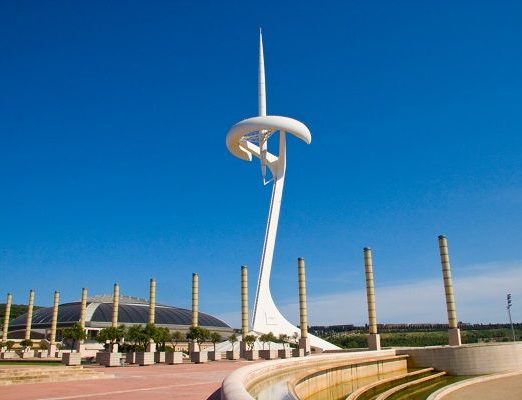
Barcelona Olympic Park
This complex in Montjuic features all the main facilities that were used for the 1992 Olympics Games.
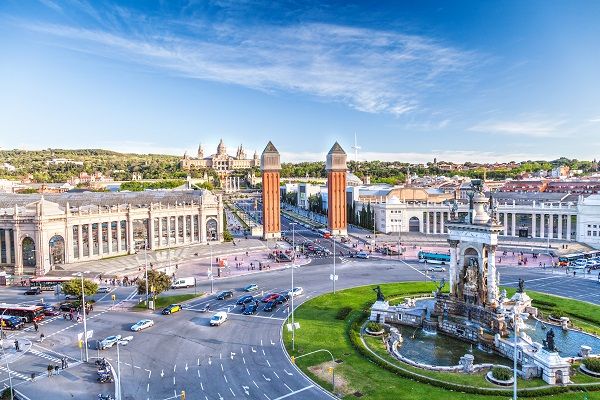
Plaza España
Plaza España is one of the biggest touristic spots of the city, featuring many attractions and places of interest.
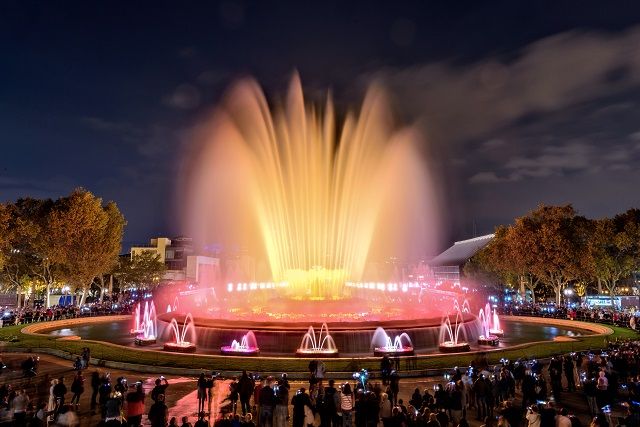
Magic Fountain Montjuic
The Magic Fountain of Montjuic is one of the most amazing spectacles in Barcelona, and it’s free of charge! It was one of the biggest innovations built for the 1929 International Exhibition